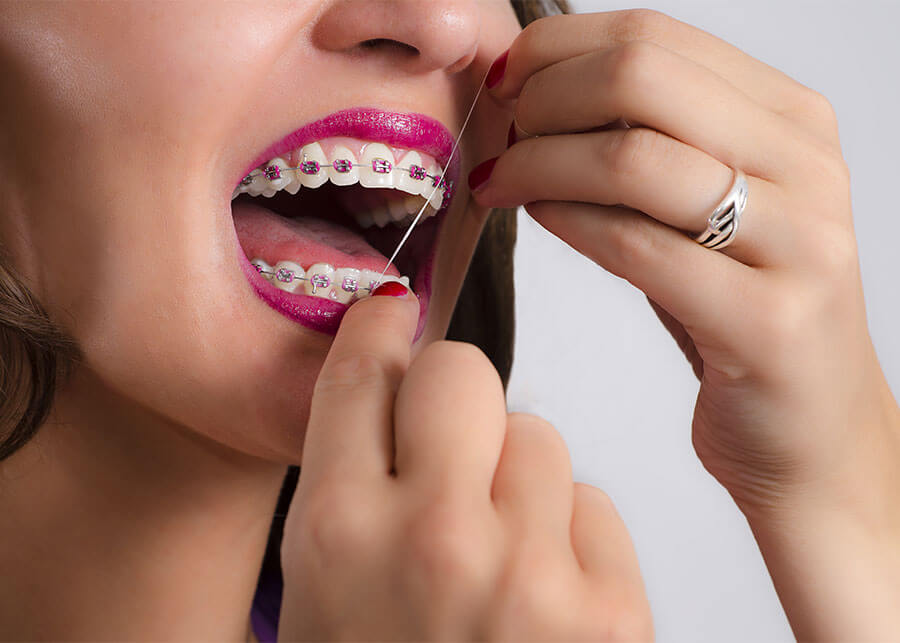
Most patients are aware of the importance of flossing. From removing embarrassing leftovers to preventing gum disease, flossing is one of the best preventive dental habits patients can actively engage…
Flossing with braces can be challenging, but mastering the right techniques is essential for maintaining oral hygiene. Patients should use specialized orthodontic flossers or waxed dental floss, which glide more easily between the brackets and wires. It's important to thread the floss carefully around each bracket to ensure complete plaque removal.
In addition to traditional flossing, patients may benefit from using interdental brushes or floss threaders designed specifically for braces. These tools can help reach areas that are difficult to clean, ensuring that food particles and plaque do not accumulate, which can lead to cavities and gum issues.
Common Mistakes When Flossing with Braces
Many patients make common mistakes that can hinder their flossing effectiveness while wearing braces. One frequent error is not flossing often enough; ideally, patients should floss at least once a day to maintain optimal oral health. Skipping this step can lead to plaque buildup and potential gum disease.
Another mistake is using improper technique, such as snapping the floss between teeth rather than gently sliding it. This can cause damage to the gums and brackets. Educating patients on the correct method can significantly improve their flossing routine and overall dental health.
Maintaining Oral Hygiene Beyond Flossing
While flossing is crucial, it is only one part of a comprehensive oral hygiene routine for braces wearers. Regular brushing with a soft-bristled toothbrush and fluoride toothpaste is equally important to remove plaque from the surfaces of teeth and braces. Patients should brush after every meal to prevent food particles from causing decay.
Additionally, using mouthwash can help reduce bacteria and freshen breath. Orthodontists often recommend antimicrobial rinses to further protect against gum disease and cavities during treatment. Combining these practices with regular dental check-ups will ensure that patients maintain healthy teeth and gums throughout their orthodontic journey.
The Role of Diet in Oral Hygiene for Braces
Diet plays a significant role in oral hygiene, especially for those with braces. Certain foods can be harmful to braces and dental health, such as hard candies, sticky sweets, and foods that can easily get stuck in the brackets. Patients should be educated on which foods to avoid to minimize the risk of damage to their orthodontic appliances.
On the flip side, a diet rich in fruits, vegetables, and dairy can promote dental health. Foods high in calcium and vitamin D are beneficial for strengthening teeth and bones. Encouraging patients to choose braces-friendly snacks will support their overall oral hygiene efforts during treatment.
Essential Flossing Techniques for Braces
Flossing with braces can be challenging, but mastering the right techniques is essential for maintaining oral hygiene. Patients should use specialized orthodontic flossers or waxed dental floss, which glide more easily between the brackets and wires. It's important to thread the floss carefully around each bracket to ensure complete plaque removal.
In addition to traditional flossing, patients may benefit from using interdental brushes or floss threaders designed specifically for braces. These tools can help reach areas that are difficult to clean, ensuring that food particles and plaque do not accumulate, which can lead to cavities and gum issues.
Common Mistakes When Flossing with Braces
Many patients make common mistakes that can hinder their flossing effectiveness while wearing braces. One frequent error is not flossing often enough; ideally, patients should floss at least once a day to maintain optimal oral health. Skipping this step can lead to plaque buildup and potential gum disease.
Another mistake is using improper technique, such as snapping the floss between teeth rather than gently sliding it. This can cause damage to the gums and brackets. Educating patients on the correct method can significantly improve their flossing routine and overall dental health.
Maintaining Oral Hygiene Beyond Flossing
While flossing is crucial, it is only one part of a comprehensive oral hygiene routine for braces wearers. Regular brushing with a soft-bristled toothbrush and fluoride toothpaste is equally important to remove plaque from the surfaces of teeth and braces. Patients should brush after every meal to prevent food particles from causing decay.
Additionally, using mouthwash can help reduce bacteria and freshen breath. Orthodontists often recommend antimicrobial rinses to further protect against gum disease and cavities during treatment. Combining these practices with regular dental check-ups will ensure that patients maintain healthy teeth and gums throughout their orthodontic journey.
The Role of Diet in Oral Hygiene for Braces
Diet plays a significant role in oral hygiene, especially for those with braces. Certain foods can be harmful to braces and dental health, such as hard candies, sticky sweets, and foods that can easily get stuck in the brackets. Patients should be educated on which foods to avoid to minimize the risk of damage to their orthodontic appliances.
On the flip side, a diet rich in fruits, vegetables, and dairy can promote dental health. Foods high in calcium and vitamin D are beneficial for strengthening teeth and bones. Encouraging patients to choose braces-friendly snacks will support their overall oral hygiene efforts during treatment.