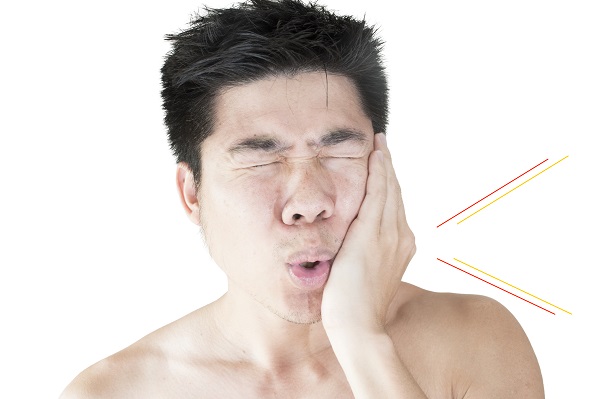
Jaw joint pain, commonly known as temporomandibular joint (TMJ) disorder, can stem from various factors including misalignment of teeth, stress, and arthritis. This condition is often characterized by pain in the jaw, difficulty in chewing, and a clicking sound when moving the jaw.
Several studies indicate that individuals with misaligned teeth are more prone to developing TMJ disorders. For instance, a misaligned bite can place excessive stress on the jaw joint, leading to inflammation and pain. Understanding these causes is crucial for effective treatment and management of jaw pain.
Orthodontic treatments, particularly those involving braces or Invisalign, can play a significant role in alleviating jaw joint pain. By correcting misaligned teeth and improving bite function, orthodontics can help reduce the stress placed on the jaw joint.
Invisalign, a popular clear aligner system, is particularly effective for adults seeking a discreet treatment option. Many patients report significant improvements in jaw pain and overall oral health after completing their orthodontic treatment, highlighting the importance of seeking professional advice from an orthodontist.
During your initial consultation for jaw joint pain, the orthodontist will perform a comprehensive evaluation, which may include X-rays and a physical examination of your jaw and teeth. This thorough assessment helps in diagnosing the underlying issues contributing to your discomfort.
Understanding the diagnostic process is essential for patients. It allows for a tailored treatment plan that addresses not only the symptoms but also the root causes of jaw pain, ensuring a holistic approach to orthodontic care.
Investing in orthodontic treatment not only improves the alignment of your teeth but also contributes to long-term jaw health. Correctly aligned teeth can prevent future dental issues, reduce the risk of TMJ disorders, and enhance overall oral function.
Moreover, studies have shown that patients who undergo orthodontic treatment experience improved self-esteem and quality of life. This holistic benefit underlines the importance of addressing jaw pain through professional orthodontic care, fostering both physical and emotional well-being.
Jaw joint pain, commonly known as temporomandibular joint (TMJ) disorder, can stem from various factors including misalignment of teeth, stress, and arthritis. This condition is often characterized by pain in the jaw, difficulty in chewing, and a clicking sound when moving the jaw.
Several studies indicate that individuals with misaligned teeth are more prone to developing TMJ disorders. For instance, a misaligned bite can place excessive stress on the jaw joint, leading to inflammation and pain. Understanding these causes is crucial for effective treatment and management of jaw pain.
Orthodontic treatments, particularly those involving braces or Invisalign, can play a significant role in alleviating jaw joint pain. By correcting misaligned teeth and improving bite function, orthodontics can help reduce the stress placed on the jaw joint.
Invisalign, a popular clear aligner system, is particularly effective for adults seeking a discreet treatment option. Many patients report significant improvements in jaw pain and overall oral health after completing their orthodontic treatment, highlighting the importance of seeking professional advice from an orthodontist.
During your initial consultation for jaw joint pain, the orthodontist will perform a comprehensive evaluation, which may include X-rays and a physical examination of your jaw and teeth. This thorough assessment helps in diagnosing the underlying issues contributing to your discomfort.
Understanding the diagnostic process is essential for patients. It allows for a tailored treatment plan that addresses not only the symptoms but also the root causes of jaw pain, ensuring a holistic approach to orthodontic care.
Investing in orthodontic treatment not only improves the alignment of your teeth but also contributes to long-term jaw health. Correctly aligned teeth can prevent future dental issues, reduce the risk of TMJ disorders, and enhance overall oral function.
Moreover, studies have shown that patients who undergo orthodontic treatment experience improved self-esteem and quality of life. This holistic benefit underlines the importance of addressing jaw pain through professional orthodontic care, fostering both physical and emotional well-being.