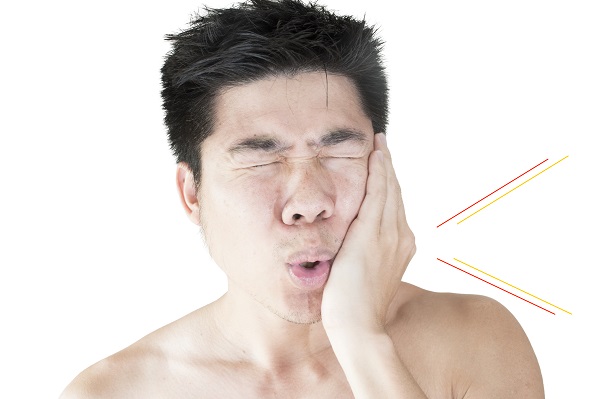
TMJ disorders, or temporomandibular joint disorders, refer to a variety of conditions affecting the jaw joint and surrounding muscles. These disorders can lead to pain, discomfort, and functional issues, making it crucial for individuals to understand their symptoms and causes.
Common signs of TMJ disorders include jaw pain, headaches, and difficulty chewing. Factors contributing to these disorders may include teeth grinding, jaw alignment issues, or arthritis. Understanding these elements can help patients recognize the importance of seeking professional orthodontic evaluation and treatment.
Invisalign is not just a cosmetic solution for misaligned teeth; it can also play a significant role in alleviating TMJ-related issues. By gradually shifting teeth into their correct positions, Invisalign can help reduce the strain on the jaw joint and improve overall oral function.
Many patients have reported a decrease in TMJ symptoms after undergoing Invisalign treatment. This is particularly beneficial for those with mild to moderate misalignment, as the clear aligners can facilitate a more comfortable bite and reduce muscle tension, leading to a more balanced jaw position.
If you are experiencing persistent jaw pain, frequent headaches, or clicking sounds when moving your jaw, it may be time to consult an orthodontist specializing in TMJ disorders. Early intervention can prevent more severe complications and improve your quality of life.
Other indicators that warrant a visit to an orthodontist include difficulty in fully opening or closing your mouth and discomfort during chewing. An orthodontist can provide a thorough evaluation and recommend appropriate treatment options tailored to your specific TMJ concerns.
Seeking professional treatment for TMJ issues can lead to significant improvements in both oral health and overall well-being. Professional evaluations can identify the underlying causes of TMJ disorders, ensuring that patients receive targeted care that addresses their specific needs.
Additionally, treatment options may include orthodontic solutions like Invisalign, physical therapy, or dental appliances that can alleviate pain and restore function. By addressing TMJ concerns early, patients can avoid more invasive procedures and enjoy a better quality of life.