
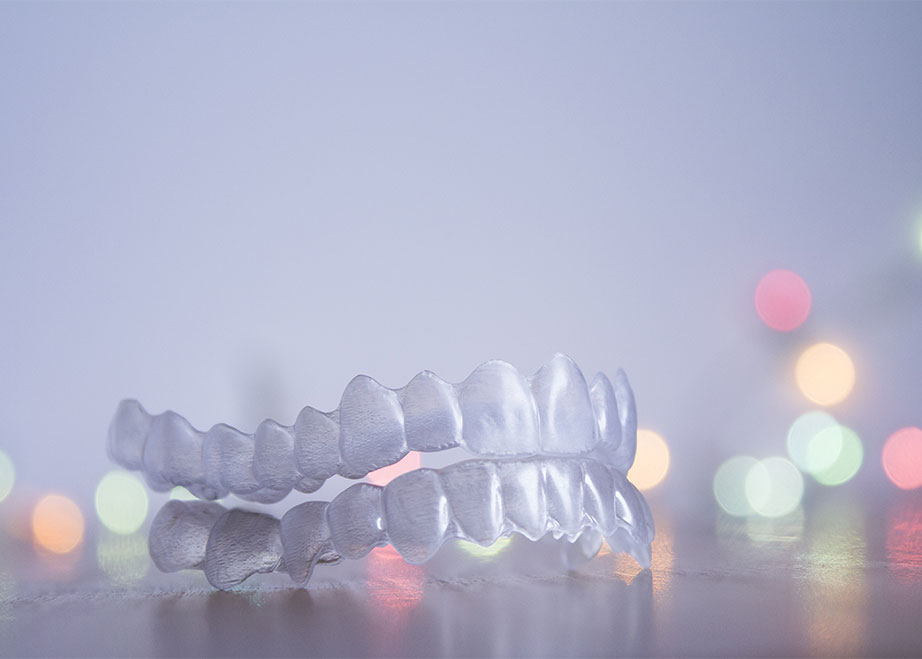
The Invisalign treatment process begins with a comprehensive consultation where the orthodontist evaluates the patient's dental structure and discusses their goals. This initial step is crucial as it sets the foundation for creating a customized treatment plan tailored to the individual's needs.
After the consultation, a 3D scan or impressions of the teeth are taken to create a series of clear aligners. Each aligner is designed to gradually shift the teeth into their desired positions over time. Typically, patients wear each set of aligners for about two weeks before progressing to the next set, making regular check-ins with the orthodontist essential to monitor progress.
Caring for Invisalign aligners is vital to ensure their effectiveness and longevity. Patients should clean their aligners daily using a soft toothbrush and lukewarm water, avoiding hot water which can warp the plastic. Additionally, it is recommended to use Invisalign cleaning crystals or specific cleaning solutions for a more thorough cleanse.
Patients should also avoid consuming food or sugary drinks while wearing the aligners, as this can lead to plaque buildup and discoloration. Removing the aligners during meals and maintaining good oral hygiene will help keep both the aligners and teeth in optimal condition throughout the treatment.
There are several myths surrounding Invisalign that can lead to misconceptions about its effectiveness. One common myth is that Invisalign is only suitable for minor orthodontic issues. In reality, Invisalign can effectively treat a wide range of dental problems, including overcrowding, gaps, and even more complex cases.
Another myth is that Invisalign aligners are uncomfortable and difficult to wear. While some patients may experience initial discomfort as they adjust to the aligners, most find them to be more comfortable than traditional metal braces, as there are no wires or brackets to irritate the gums and cheeks.
After completing the Invisalign treatment, patients often wonder about the next steps to maintain their new smile. Retainers are commonly recommended to prevent teeth from shifting back to their original positions. These retainers can be clear or fixed, depending on the orthodontist's recommendation.
Additionally, maintaining regular dental check-ups is essential for monitoring oral health and ensuring that the teeth remain in their desired positions. Patients should also continue practicing good oral hygiene and be mindful of their diet to support the longevity of their results.
