
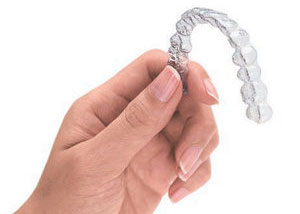
Invisalign offers numerous advantages over traditional braces, making it a popular choice for patients seeking cosmetic dental treatments. One of the primary benefits is the clear aligners' aesthetic appeal, allowing patients to straighten their teeth without the noticeable metal brackets associated with conventional orthodontics.
Additionally, Invisalign aligners are removable, providing patients the flexibility to maintain their oral hygiene routines effectively. This means that patients can brush and floss their teeth without obstruction, which significantly reduces the risk of cavities and gum disease during treatment.
The Invisalign treatment process begins with a comprehensive consultation, where the orthodontist assesses the patient's dental needs and creates a customized treatment plan. Using advanced 3D imaging technology, the orthodontist can simulate the expected results and create a series of clear aligners designed to gradually shift the teeth into the desired position.
Once the aligners are ready, patients typically wear each set for about two weeks before progressing to the next set. Regular check-ups are scheduled to monitor progress and make any necessary adjustments, ensuring that the treatment stays on track and meets the patient's aesthetic goals.
When considering orthodontic treatment, many patients weigh the options between Invisalign and traditional braces. While both methods effectively correct misaligned teeth, Invisalign offers a more discreet and comfortable experience, appealing to adults and teens alike who may feel self-conscious about their appearance during treatment.
On the other hand, traditional braces may be more suitable for complex orthodontic issues that require more significant tooth movement. Understanding the differences between these two options can help patients make informed decisions based on their individual needs and lifestyle preferences.
Maintaining oral health is crucial during Invisalign treatment to ensure the best possible results. Since the aligners are removable, patients should brush and floss their teeth after every meal before reinserting the aligners. This practice helps prevent food particles from becoming trapped between the aligners and the teeth, reducing the risk of dental issues.
Additionally, regular dental check-ups are essential to monitor oral health throughout the treatment. Orthodontists can provide guidance on maintaining optimal hygiene practices and address any concerns that may arise during the course of treatment.
Invisalign offers numerous advantages over traditional braces, making it a popular choice for patients seeking cosmetic dental treatments. One of the primary benefits is the clear aligners' aesthetic appeal, allowing patients to straighten their teeth without the noticeable metal brackets associated with conventional orthodontics.
Additionally, Invisalign aligners are removable, providing patients the flexibility to maintain their oral hygiene routines effectively. This means that patients can brush and floss their teeth without obstruction, which significantly reduces the risk of cavities and gum disease during treatment.
The Invisalign treatment process begins with a comprehensive consultation, where the orthodontist assesses the patient's dental needs and creates a customized treatment plan. Using advanced 3D imaging technology, the orthodontist can simulate the expected results and create a series of clear aligners designed to gradually shift the teeth into the desired position.
Once the aligners are ready, patients typically wear each set for about two weeks before progressing to the next set. Regular check-ups are scheduled to monitor progress and make any necessary adjustments, ensuring that the treatment stays on track and meets the patient's aesthetic goals.
When considering orthodontic treatment, many patients weigh the options between Invisalign and traditional braces. While both methods effectively correct misaligned teeth, Invisalign offers a more discreet and comfortable experience, appealing to adults and teens alike who may feel self-conscious about their appearance during treatment.
On the other hand, traditional braces may be more suitable for complex orthodontic issues that require more significant tooth movement. Understanding the differences between these two options can help patients make informed decisions based on their individual needs and lifestyle preferences.
Maintaining oral health is crucial during Invisalign treatment to ensure the best possible results. Since the aligners are removable, patients should brush and floss their teeth after every meal before reinserting the aligners. This practice helps prevent food particles from becoming trapped between the aligners and the teeth, reducing the risk of dental issues.
Additionally, regular dental check-ups are essential to monitor oral health throughout the treatment. Orthodontists can provide guidance on maintaining optimal hygiene practices and address any concerns that may arise during the course of treatment.
