Understanding the Invisalign Process
The Invisalign process begins with a consultation where your orthodontist evaluates your teeth and discusses your treatment goals. Using advanced imaging technology, a digital treatment plan is created, showing the gradual movement of your teeth over time.
After the initial assessment, a series of custom-made aligners are crafted specifically for your teeth. Patients typically wear each aligner for about two weeks before moving to the next in the series, making regular check-ins with the orthodontist essential for tracking progress and making adjustments as needed.
Invisalign vs. Traditional Braces: Key Differences
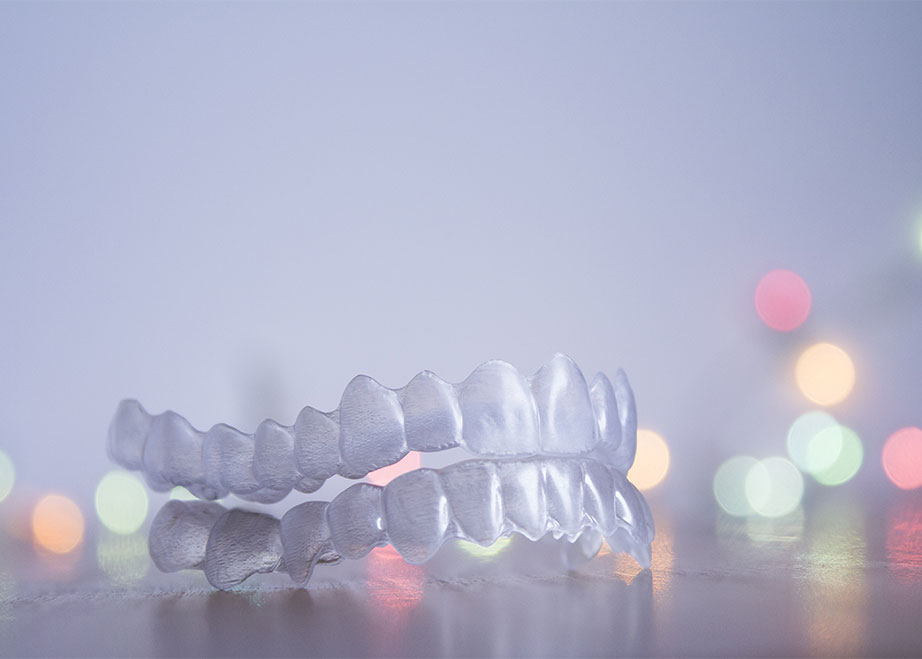
When comparing Invisalign to traditional braces, one of the most significant differences is aesthetics. Invisalign aligners are virtually invisible, allowing patients to straighten their teeth without the noticeable metal brackets and wires associated with conventional braces.
Additionally, Invisalign offers greater comfort and convenience. The aligners are removable, which means patients can eat and drink without restrictions and maintain their oral hygiene routines without the challenges posed by fixed braces. This flexibility often leads to higher patient satisfaction and compliance.
Maintaining Oral Hygiene with Invisalign
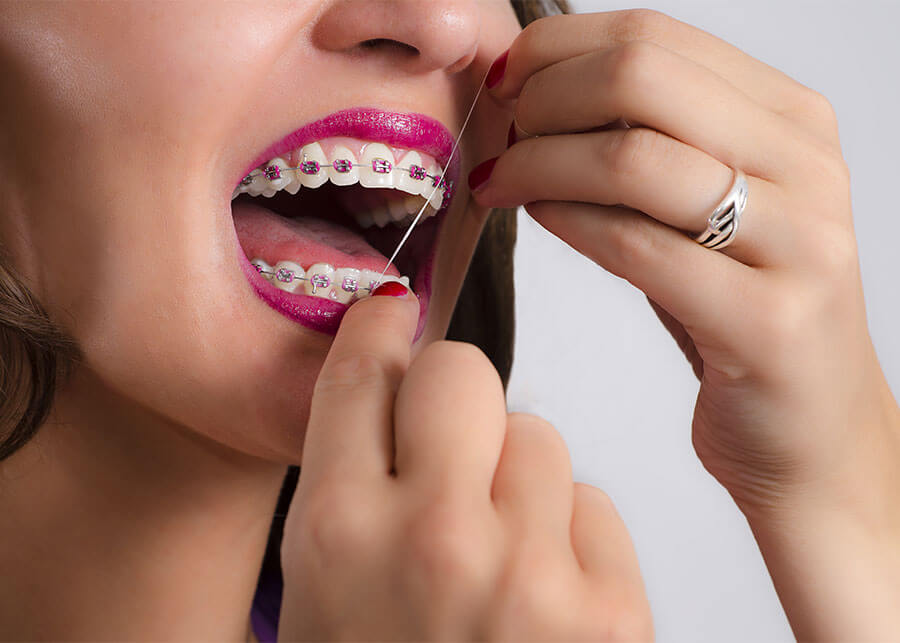
Maintaining oral hygiene while using Invisalign is crucial for achieving optimal results. Since the aligners are removable, patients can brush and floss their teeth as they normally would, ensuring that food particles and plaque do not accumulate.
It is recommended to clean the aligners regularly with a soft toothbrush and mild soap, avoiding toothpaste, which can scratch the aligner surface. Good oral hygiene practices not only enhance the effectiveness of the treatment but also contribute to overall dental health.
Common Myths About Invisalign
Despite its popularity, several myths about Invisalign persist. One common misconception is that Invisalign is only suitable for minor orthodontic issues. In reality, Invisalign can effectively treat a wide range of dental problems, including overbites, underbites, and crowded teeth.
Another myth is that the treatment duration is significantly longer than that of traditional braces. However, many patients find that Invisalign can lead to quicker results, depending on the complexity of their case, making it a viable option for those seeking efficient orthodontic solutions.
Understanding the Invisalign Process
The Invisalign process begins with a consultation where your orthodontist evaluates your teeth and discusses your treatment goals. Using advanced imaging technology, a digital treatment plan is created, showing the gradual movement of your teeth over time.
After the initial assessment, a series of custom-made aligners are crafted specifically for your teeth. Patients typically wear each aligner for about two weeks before moving to the next in the series, making regular check-ins with the orthodontist essential for tracking progress and making adjustments as needed.
Invisalign vs. Traditional Braces: Key Differences
When comparing Invisalign to traditional braces, one of the most significant differences is aesthetics. Invisalign aligners are virtually invisible, allowing patients to straighten their teeth without the noticeable metal brackets and wires associated with conventional braces.
Additionally, Invisalign offers greater comfort and convenience. The aligners are removable, which means patients can eat and drink without restrictions and maintain their oral hygiene routines without the challenges posed by fixed braces. This flexibility often leads to higher patient satisfaction and compliance.
Maintaining Oral Hygiene with Invisalign
Maintaining oral hygiene while using Invisalign is crucial for achieving optimal results. Since the aligners are removable, patients can brush and floss their teeth as they normally would, ensuring that food particles and plaque do not accumulate.
It is recommended to clean the aligners regularly with a soft toothbrush and mild soap, avoiding toothpaste, which can scratch the aligner surface. Good oral hygiene practices not only enhance the effectiveness of the treatment but also contribute to overall dental health.
Common Myths About Invisalign
Despite its popularity, several myths about Invisalign persist. One common misconception is that Invisalign is only suitable for minor orthodontic issues. In reality, Invisalign can effectively treat a wide range of dental problems, including overbites, underbites, and crowded teeth.
Another myth is that the treatment duration is significantly longer than that of traditional braces. However, many patients find that Invisalign can lead to quicker results, depending on the complexity of their case, making it a viable option for those seeking efficient orthodontic solutions.