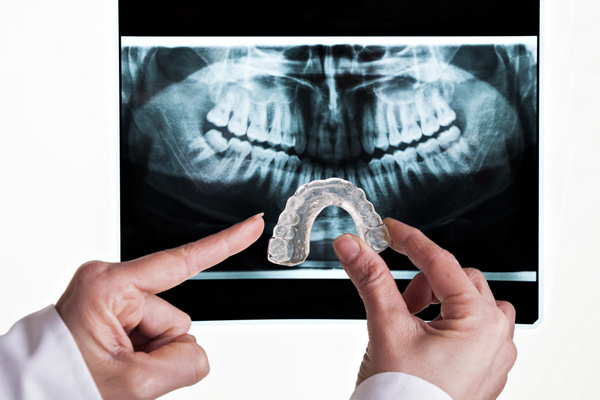
Bruxism, commonly known as teeth grinding, can significantly impact oral health and overall well-being. It often occurs unconsciously during sleep or as a response to stress, leading to various dental issues such as worn enamel, tooth sensitivity, and jaw pain.
Research indicates that bruxism can be linked to psychological factors, such as anxiety and stress, as well as physical factors like misaligned teeth or sleep disorders. Addressing these underlying causes is crucial for effective treatment and prevention of further dental complications.
Invisalign offers a modern approach to orthodontic treatment that can help alleviate the symptoms of bruxism. By gradually aligning teeth, Invisalign can correct malocclusions that may contribute to grinding, providing a more comfortable bite and reducing stress on the jaw.
Patients utilizing Invisalign often report improved comfort and decreased instances of teeth grinding. The clear aligners are designed to fit snugly over the teeth, minimizing the risk of further damage while promoting better oral health through proper alignment.
Orthodontic treatment, including options like Invisalign, can yield significant long-term benefits for patients. Beyond aesthetic improvements, straightening teeth can enhance overall oral health, reduce the risk of gum disease, and improve chewing function.
Moreover, patients often experience increased self-esteem and confidence following treatment, as a healthy smile can positively influence social interactions and personal relationships. Investing in orthodontic care is not just about achieving a perfect smile; it's about fostering lifelong oral health.
After completing orthodontic treatment, maintaining oral health is crucial to ensure lasting results. Regular dental check-ups, proper oral hygiene practices, and the use of retainers as prescribed are essential steps in preserving the alignment achieved through treatment.
Additionally, patients should be mindful of their diet and lifestyle choices, as habits such as excessive sugar intake or grinding can jeopardize the integrity of their teeth. Continuous education on oral health can empower patients to make informed decisions that support their dental wellness.