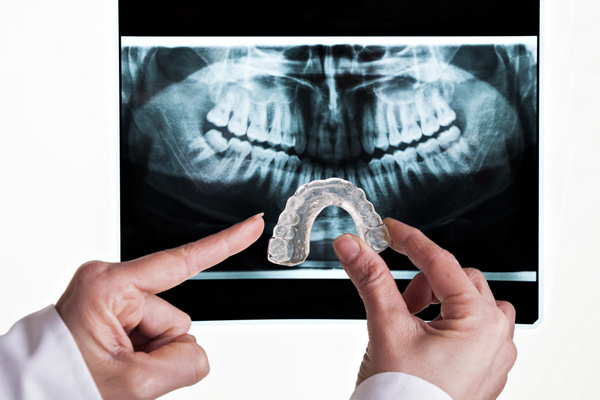
Malocclusion refers to the misalignment of teeth and jaws, which can lead to various dental issues and affect overall health. It can manifest in different forms, such as overbites, underbites, and crossbites, each requiring specific attention and treatment.
Addressing malocclusion not only improves the aesthetics of your smile but also enhances functionality, making it easier to chew and speak. Recognizing the signs of malocclusion early can lead to timely intervention, reducing the risk of further complications like tooth decay or gum disease.
Invisalign offers a modern alternative to traditional braces, utilizing clear aligners to gradually shift teeth into the desired position. Unlike metal braces, Invisalign aligners are removable and virtually invisible, making them a popular choice among adults and teens.
While both treatment options aim to correct malocclusion, Invisalign provides greater comfort and flexibility. Patients can enjoy their favorite foods without restrictions and maintain better oral hygiene, as aligners can be removed during brushing and flossing.
After completing orthodontic treatment with Invisalign, wearing a retainer is crucial to maintain the new position of your teeth. Retainers help prevent teeth from shifting back to their original alignment, ensuring long-term results from your orthodontic journey.
Regular use of retainers, as prescribed by your orthodontist, can significantly extend the benefits of treatment. Patients who neglect to wear their retainers may experience orthodontic relapse, necessitating further corrective measures and additional costs.
Many potential patients have questions about the Invisalign treatment process, including its effectiveness, duration, and care instructions. Understanding the answers to these common queries can help alleviate concerns and facilitate informed decision-making.
For instance, patients often wonder how long they will need to wear their aligners. On average, treatment can take anywhere from 6 to 18 months, depending on the complexity of the case. Additionally, proper care of the aligners, including regular cleaning and adherence to wear schedules, is essential for achieving optimal results.