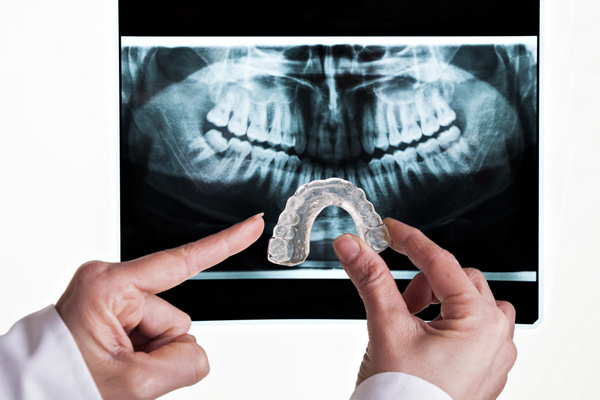
Gum disease is a significant concern for anyone undergoing orthodontic treatment, as it can complicate the alignment process and affect overall oral health. Understanding this connection is crucial for patients to maintain both their gum health and the effectiveness of their orthodontic care.
Research indicates that untreated gum disease can lead to inflammation and infection, which may hinder the movement of teeth and prolong treatment times. By prioritizing gum health through regular dental check-ups and proper hygiene practices, patients can ensure a smoother orthodontic experience and better long-term results.
Effective oral hygiene is essential for patients with braces or Invisalign to prevent complications such as cavities and gum disease. With the added complexity of orthodontic appliances, patients must adopt specific cleaning routines to maintain their oral health.
Utilizing tools like interdental brushes, floss threaders, and antibacterial mouthwash can enhance cleaning efforts. Regular visits to the orthodontist for professional cleanings and adjustments will also support patients in keeping their mouths healthy while undergoing treatment.
Early orthodontic intervention can significantly impact a child's dental health and alignment outcomes. Identifying and addressing orthodontic issues at a young age can prevent more severe complications later on, making it a proactive approach to oral health.
For instance, early treatment can guide the growth of the jaw and teeth, reducing the likelihood of extractions or complex procedures in the future. Orthodontists can monitor development and implement strategies that promote optimal alignment as permanent teeth emerge.
Choosing the right orthodontic treatment involves weighing the pros and cons of various options, including traditional braces and clear aligners like Invisalign. Each method has its unique benefits and drawbacks that cater to different patient needs and lifestyles.
For example, while traditional braces are highly effective for complex cases, Invisalign offers a discreet and comfortable alternative for mild to moderate alignment issues. Patients should consult with their orthodontist to determine the best approach based on their specific dental conditions and personal preferences.
Gum disease is a significant concern for anyone undergoing orthodontic treatment, as it can complicate the alignment process and affect overall oral health. Understanding this connection is crucial for patients to maintain both their gum health and the effectiveness of their orthodontic care.
Research indicates that untreated gum disease can lead to inflammation and infection, which may hinder the movement of teeth and prolong treatment times. By prioritizing gum health through regular dental check-ups and proper hygiene practices, patients can ensure a smoother orthodontic experience and better long-term results.
Effective oral hygiene is essential for patients with braces or Invisalign to prevent complications such as cavities and gum disease. With the added complexity of orthodontic appliances, patients must adopt specific cleaning routines to maintain their oral health.
Utilizing tools like interdental brushes, floss threaders, and antibacterial mouthwash can enhance cleaning efforts. Regular visits to the orthodontist for professional cleanings and adjustments will also support patients in keeping their mouths healthy while undergoing treatment.
Early orthodontic intervention can significantly impact a child's dental health and alignment outcomes. Identifying and addressing orthodontic issues at a young age can prevent more severe complications later on, making it a proactive approach to oral health.
For instance, early treatment can guide the growth of the jaw and teeth, reducing the likelihood of extractions or complex procedures in the future. Orthodontists can monitor development and implement strategies that promote optimal alignment as permanent teeth emerge.
Choosing the right orthodontic treatment involves weighing the pros and cons of various options, including traditional braces and clear aligners like Invisalign. Each method has its unique benefits and drawbacks that cater to different patient needs and lifestyles.
For example, while traditional braces are highly effective for complex cases, Invisalign offers a discreet and comfortable alternative for mild to moderate alignment issues. Patients should consult with their orthodontist to determine the best approach based on their specific dental conditions and personal preferences.