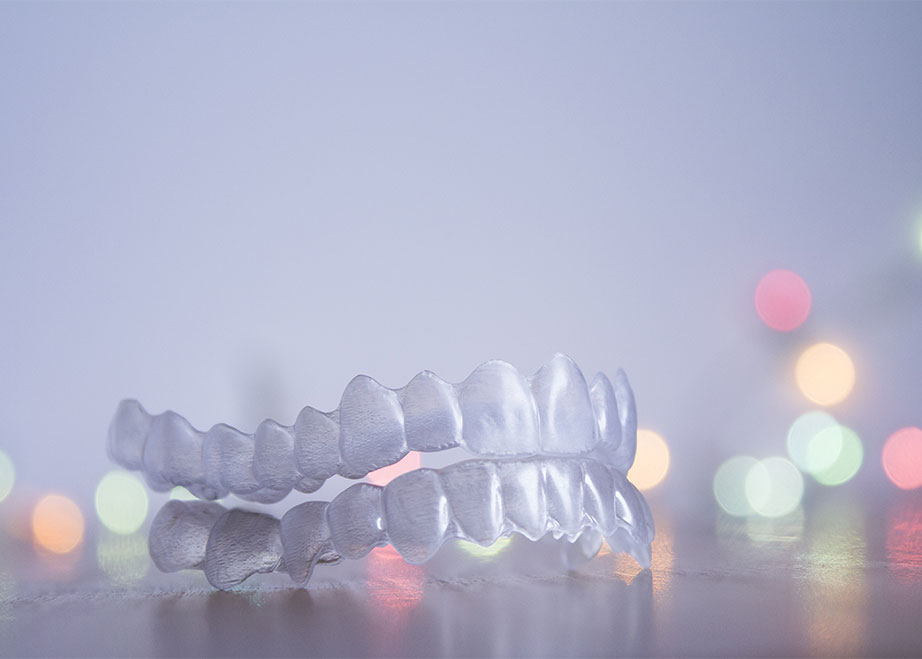
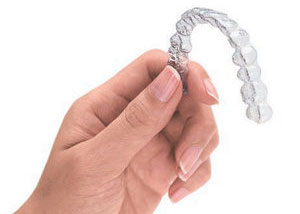
The Invisalign treatment process is designed to be straightforward and patient-friendly. It begins with a consultation where the orthodontist evaluates the patient's dental needs and creates a customized treatment plan using advanced 3D imaging technology. This personalized approach ensures that each aligner is tailored to gradually shift the teeth into the desired position.
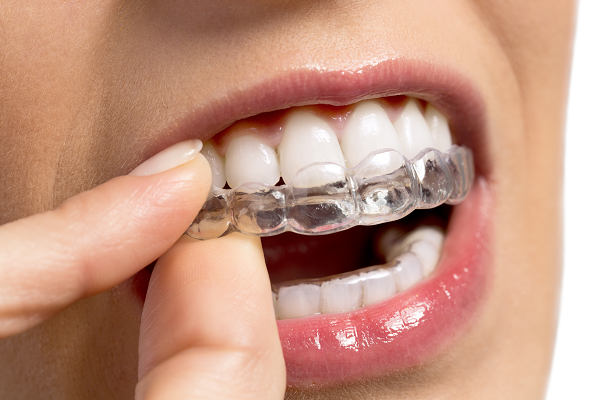
During the treatment, patients receive a series of clear aligners that they wear for about two weeks each before switching to the next set. This gradual progression allows for effective tooth movement while maintaining comfort and aesthetics. Regular check-ins with the orthodontist help monitor progress and make any necessary adjustments to the treatment plan.
There are several myths surrounding Invisalign that can mislead potential patients. One common misconception is that Invisalign is only effective for minor orthodontic issues. In reality, Invisalign can address a wide range of dental problems, including overcrowding, gaps, and even more complex cases with the right planning and supervision from an experienced orthodontist.
Another myth is that wearing Invisalign aligners is uncomfortable. While some patients may experience mild discomfort when switching to a new set of aligners, it is generally less painful than traditional braces. The aligners are made of smooth plastic, which minimizes irritation to the gums and cheeks, making them a more comfortable option for many individuals.
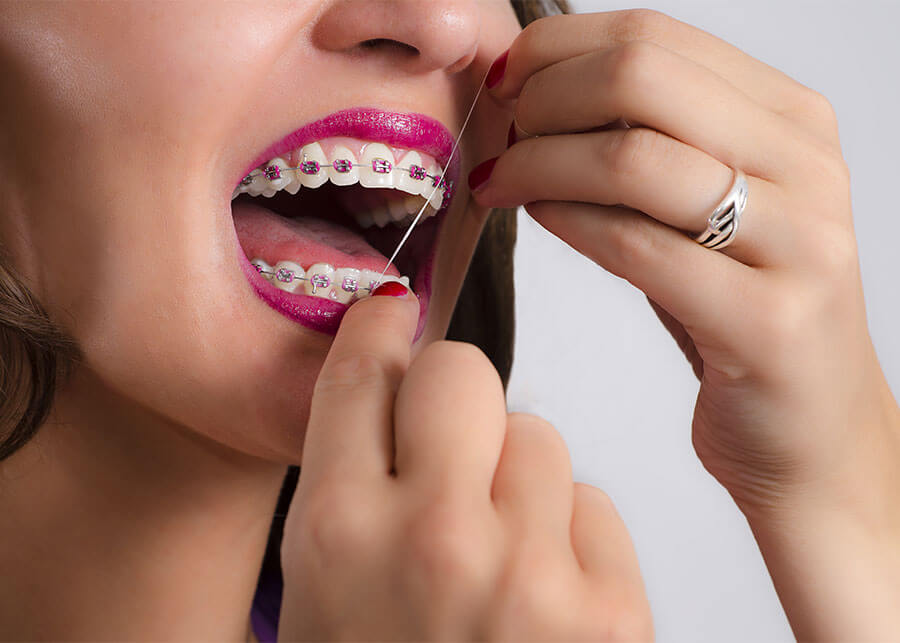
Maintaining proper oral hygiene is crucial for anyone undergoing Invisalign treatment. Unlike traditional braces, Invisalign aligners are removable, allowing patients to brush and floss their teeth without obstruction. This feature significantly reduces the risk of plaque buildup and cavities, which can be a concern with fixed orthodontic appliances.
Patients are encouraged to clean their aligners regularly with a soft toothbrush and mild soap to prevent discoloration and odors. Additionally, it's important to rinse the aligners before putting them back in after meals to maintain freshness and hygiene throughout the treatment process.
After completing the Invisalign treatment, patients often need to wear retainers to maintain their newly aligned teeth. Retainers help prevent any shifting that may occur as the teeth settle into their new positions. The orthodontist will provide specific instructions on how long and when to wear the retainers post-treatment.
Regular follow-ups with the orthodontist are recommended to ensure that the teeth remain in their desired positions. Patients should also continue practicing good oral hygiene and routine dental visits to keep their smiles healthy and beautiful long after their Invisalign journey ends.