Understanding the Benefits of Invisalign
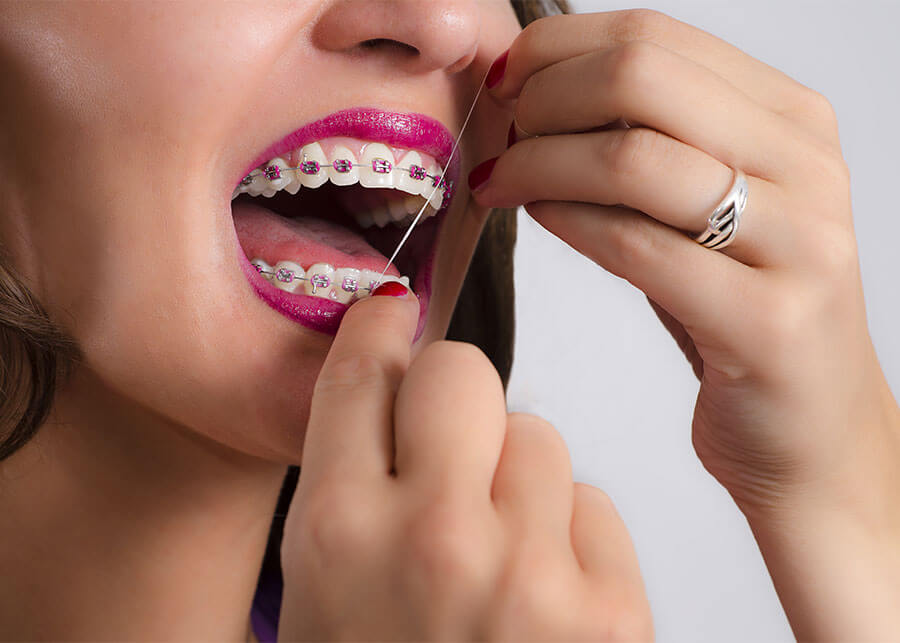
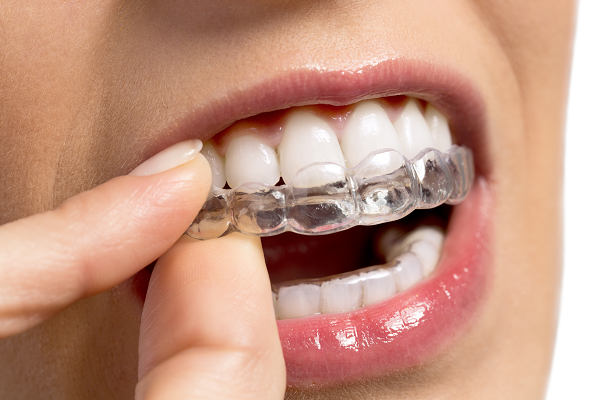
Invisalign offers numerous benefits over traditional braces, making it a popular choice for patients seeking orthodontic treatment. One of the primary advantages is the aesthetic appeal; clear aligners are virtually invisible, allowing individuals to straighten their teeth without the noticeable metal wires and brackets associated with conventional braces.
Additionally, Invisalign aligners are removable, which means patients can enjoy their favorite foods and maintain better oral hygiene without the restrictions that come with fixed appliances. This flexibility not only enhances comfort but also encourages patients to adhere to their treatment plan, leading to more effective results.
How to Maintain Oral Hygiene with Invisalign
Maintaining oral hygiene is crucial when undergoing Invisalign treatment. Since the aligners are removable, patients should brush and floss their teeth regularly to prevent plaque buildup and cavities. It's recommended to clean the aligners themselves as well, using a gentle cleanser or specially designed cleaning crystals to keep them clear and free of bacteria.
Moreover, patients should avoid consuming sugary or staining beverages while wearing the aligners, as this can lead to discoloration and oral health issues. Regular dental check-ups during the treatment are also essential to ensure that the teeth and gums remain healthy throughout the process.
Common Myths About Invisalign
There are several myths surrounding Invisalign that can lead to misconceptions about its effectiveness and suitability. One common myth is that Invisalign is only for mild orthodontic issues, whereas it can actually treat a range of conditions, including complex cases, when monitored by an experienced orthodontist.
Another prevalent myth is that the treatment duration is longer than traditional braces. In reality, many patients find that Invisalign can provide comparable or even quicker results, depending on their specific dental needs and adherence to the treatment plan.
What to Expect During Your Invisalign Journey
Understanding the Invisalign journey can help patients feel more prepared and confident in their treatment. Initially, a consultation with an orthodontist will involve a comprehensive evaluation and the creation of a personalized treatment plan, including 3D imaging to visualize the expected results.
Throughout the treatment, patients will receive a series of custom aligners, each designed to gradually shift their teeth into the desired position. Regular check-ins with the orthodontist will ensure progress is on track and any adjustments can be made as necessary, providing a supportive experience throughout the journey.