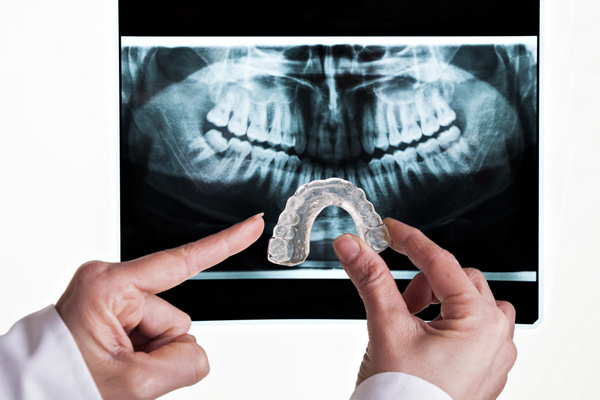
Orthodontic treatment options vary widely, offering solutions for different dental issues. Patients can choose from traditional braces, clear aligners like Invisalign, and other innovative treatments that cater to specific needs and preferences.
For instance, traditional metal braces are often recommended for severe alignment issues, while clear aligners are favored for their aesthetic appeal and comfort. Understanding these options helps patients make informed decisions about their oral health and treatment journey.
Proper oral hygiene is crucial during orthodontic treatment to prevent complications such as cavities and gum disease. Patients should adopt a diligent oral care routine that includes brushing, flossing, and regular dental visits to ensure optimal oral health.
Using specialized tools like interdental brushes and floss threaders can help clean around brackets and wires effectively. Additionally, patients should be aware of dietary restrictions to avoid damaging their appliances, ensuring a smoother treatment process.
Despite its popularity, several myths surrounding Invisalign can lead to misconceptions about its effectiveness and suitability. Many people believe that Invisalign is only for minor adjustments, but it can effectively treat a wide range of orthodontic issues.
In reality, Invisalign has advanced significantly, utilizing cutting-edge technology to address complex alignment problems. Understanding the truth behind these myths can empower patients to consider Invisalign as a viable option for their orthodontic needs.
Embarking on an Invisalign journey requires commitment and adherence to specific guidelines for optimal results. Patients should wear their aligners for the recommended 20-22 hours daily and follow the prescribed schedule for changing aligners.
Additionally, keeping regular appointments with the orthodontist is essential for monitoring progress and making necessary adjustments. By following these tips, patients can enhance their experience and achieve the desired outcomes in a timely manner.
Orthodontic treatment options vary widely, offering solutions for different dental issues. Patients can choose from traditional braces, clear aligners like Invisalign, and other innovative treatments that cater to specific needs and preferences.
For instance, traditional metal braces are often recommended for severe alignment issues, while clear aligners are favored for their aesthetic appeal and comfort. Understanding these options helps patients make informed decisions about their oral health and treatment journey.
Proper oral hygiene is crucial during orthodontic treatment to prevent complications such as cavities and gum disease. Patients should adopt a diligent oral care routine that includes brushing, flossing, and regular dental visits to ensure optimal oral health.
Using specialized tools like interdental brushes and floss threaders can help clean around brackets and wires effectively. Additionally, patients should be aware of dietary restrictions to avoid damaging their appliances, ensuring a smoother treatment process.
Despite its popularity, several myths surrounding Invisalign can lead to misconceptions about its effectiveness and suitability. Many people believe that Invisalign is only for minor adjustments, but it can effectively treat a wide range of orthodontic issues.
In reality, Invisalign has advanced significantly, utilizing cutting-edge technology to address complex alignment problems. Understanding the truth behind these myths can empower patients to consider Invisalign as a viable option for their orthodontic needs.
Embarking on an Invisalign journey requires commitment and adherence to specific guidelines for optimal results. Patients should wear their aligners for the recommended 20-22 hours daily and follow the prescribed schedule for changing aligners.
Additionally, keeping regular appointments with the orthodontist is essential for monitoring progress and making necessary adjustments. By following these tips, patients can enhance their experience and achieve the desired outcomes in a timely manner.